AI - Artificial intelligence
AI system helps aircraft 'cope' with turbulence
Turbulence that affects planes could become a thing of the past thanks to a new AI system that helps flying vehicles learn to adjust to turbulence in just minutes.
Browse ScienceInfo articles and explainers related to Air Turbulence.
9 published items.
Turbulence that affects planes could become a thing of the past thanks to a new AI system that helps flying vehicles learn to adjust to turbulence in just minutes.
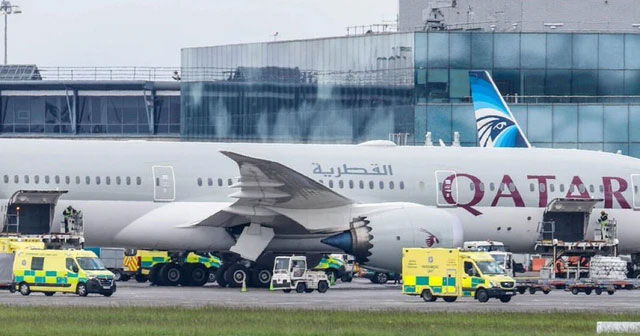
Scientists reveal the factors behind the turbulence that caused Singapore Airlines (SIA) and Qatar Airways planes to crash.
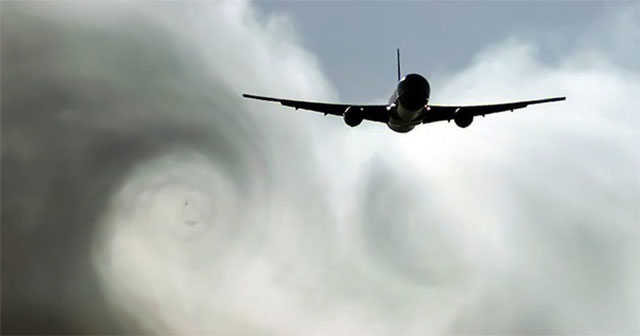
Surely everyone has experienced the feeling of anxiety, even panic, when the plane suddenly encountered turbulence overhead.
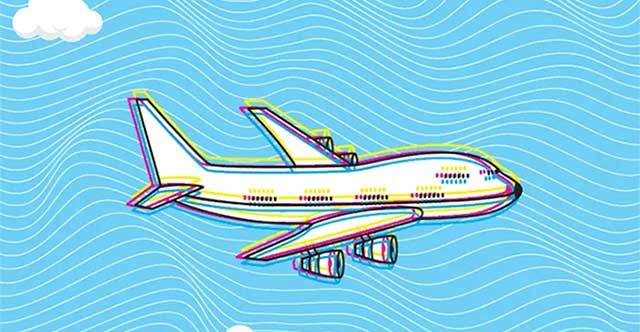
Turbulence is the movement of air created by atmospheric pressure, jet streams, air around mountains, cold or warm weather areas, or thunderstorms.
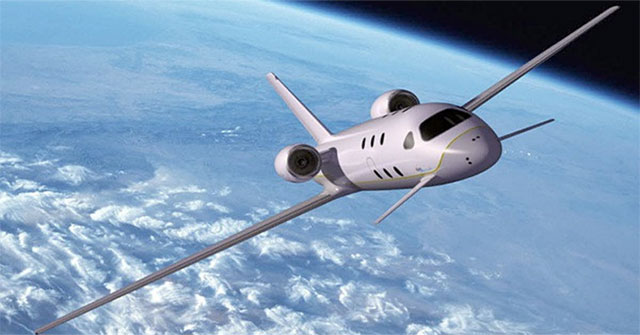
The higher the flight, the more fuel-efficient the aircraft is, the faster and quieter it flies. But they can't fly into space because of some design limitations.
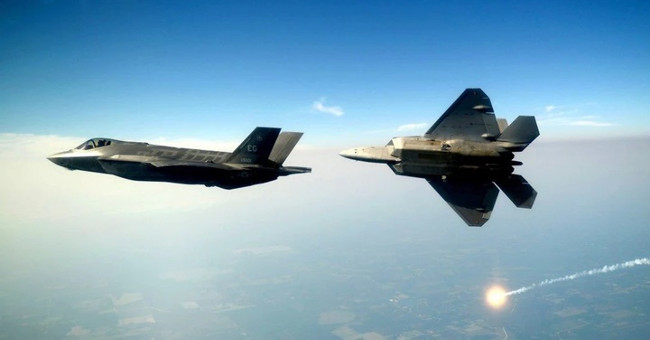
According to ScienceABC, people who live near the airport are more prone to stress, memory loss and even heart disease.
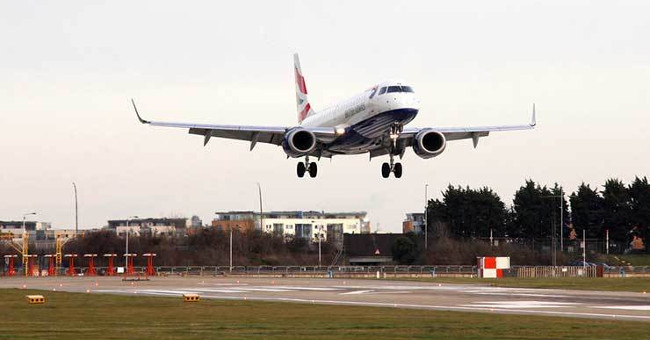
If you ever fly, surely you have experienced the effects of air turbulence: it is a sudden shake of the plane when taking off and landing, moving in different directions.
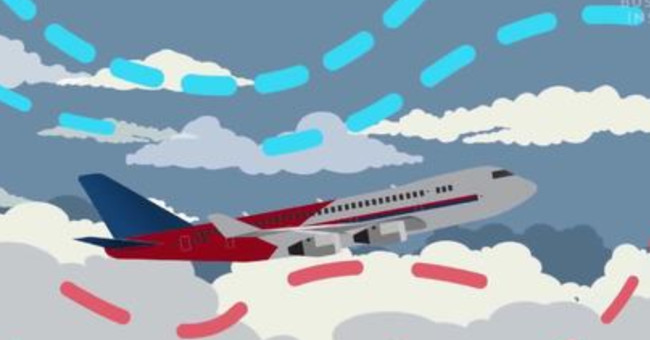
Air turbulence causes the aircraft to vibrate when flying, but this phenomenon often does not cause disturbing consequences.
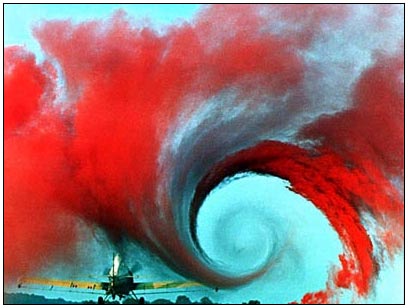
The US scientists have just launched a system to detect air turbulence in the flight process, help enhance aviation safety, create comfort for passengers.